Skip to content

Business finance

Refinancing equipment you already own to free up cash

Machinery you own outright is working capital sitting still. Equipment refinance and sale and leaseback turn part of that value back into cash, without touching the family home.

William Krypuy

William Krypuy

Senior Broker

· 8 min read

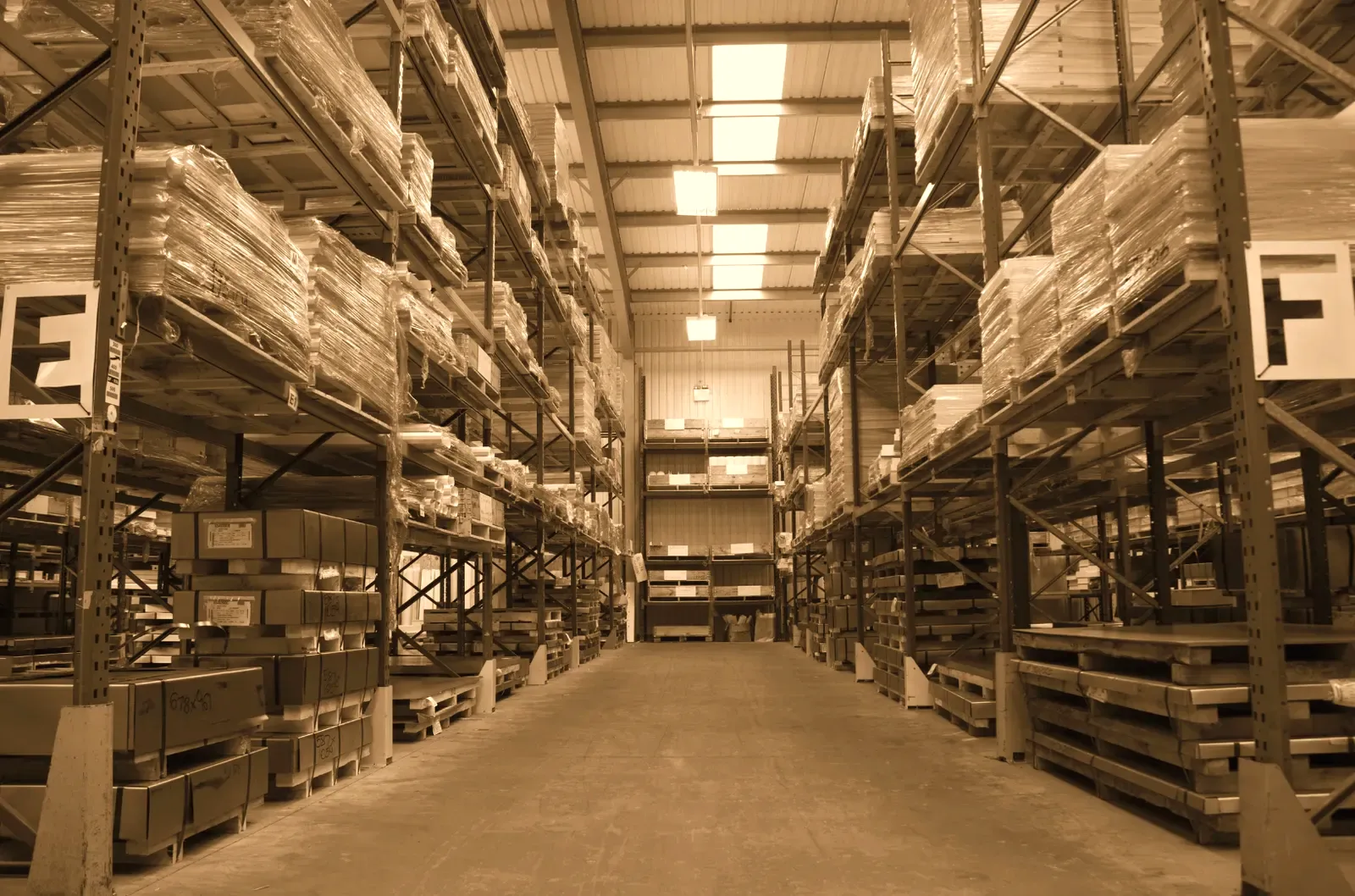
A commercial site of the kind where owned plant quietly holds a business's working capital.

What equipment refinance actually is

Equipment refinance releases cash against plant and vehicles the business already owns. The financier advances funds and registers a security interest over the asset. You keep the asset and keep using it, and you repay the advance over an agreed term. Nothing about the day-to-day operation of the machine changes.

It is the same idea as a cash-out refinance on a house, applied to a compressor, an excavator, a CNC machine or a truck. The equity was always there. It was sitting in steel instead of in the trading account.

Why business owners reach for it

  • The security is the asset, not the family home. For a director who has already pledged the house, that is the whole appeal.
  • It is usually faster than a property refinance, because the valuation is simpler and there is no mortgage to register.
  • It matches the cash need to an asset that earns. The machine generating the revenue carries the debt.
  • It can sit alongside existing facilities rather than replacing them, so an overdraft or trade line does not have to be disturbed.

Sale and leaseback, and how it differs

Sale and leaseback is the other route. Instead of lending against the asset and leaving title with the business, the financier buys the asset at an agreed value, pays the funds across, and leases it back to you. You keep possession and use. Ownership sits with the financier for the term.

The difference matters for the balance sheet and for tax, and the tax difference is not a broker's call to make. A chattel mortgage, a finance lease and an operating rental are treated differently for depreciation, for GST and for deductibility. Ask your accountant or a registered tax agent which structure suits the business before you sign, not after.

Refinance against the asset

  • The business keeps title from the outset. The financier registers a security interest and nothing else moves.
  • The asset stays on the balance sheet as the business's own.
  • At the end of the term the advance is repaid and the registration discharged. A balloon may be payable.
  • Suits plant the business intends to keep well beyond the term.

Sale and leaseback

  • The financier buys the asset at an agreed value and leases it back. Title sits with them for the term.
  • The asset leaves the balance sheet, and the obligation is a lease rather than a loan.
  • At the end of the term the residual is paid, refinanced, or the asset is handed back.
  • Suits plant the business expects to replace, where that decision is better built into the structure.

What a lender will lend against

Not every asset refinances. Lenders sort equipment by how easily it could be sold again if it had to be, and that sorting drives everything else: how much they will advance, over what term, and on what conditions.

Specialised plant of the kind a lender assesses more conservatively than a truck.
Depth of the second-hand market, not the price on the invoice, sets the advance. A machine can be worth a great deal to your business and comparatively little to a lender who would have to sell it.
How lenders generally view different asset classes. Indicative only. Every lender's policy differs and nothing here is an offer of credit.
Asset typeHow lenders see itWhat that means in practice
Trucks, trailers, prime moversSerial-numbered, strong resale market, easy to identify on the registerUsually the most straightforward to refinance, including at greater ages
Earthmoving and construction plantWell traded, values published in industry guides, hours matter as much as ageRefinanced readily where hours are reasonable and service records exist
Manufacturing and CNC machineryA thinner and more specialised resale marketA more conservative advance, and a physical valuation is more likely to be required
Fit-out, shelving, soft assetsLittle standalone value once installedRarely refinanced on their own; usually need other security alongside
Assets under an existing contractAlready encumbered to another financierA payout figure is obtained first, and the deal becomes a refinance of that balance plus any equity above it

Two other things set the advance. Age at the end of the term rather than age today, which is why a lender with an age cap will often shorten the term instead of declining the deal. And whether the asset is fixed to a building, because plant bolted into leased premises raises questions about the landlord's rights that a mobile machine does not.

The register search that stops deals

Before it advances a dollar, the financier searches the Personal Property Securities Register against the business, against the directors, and for serial-numbered goods against the VIN or serial number. It is looking for registrations that would rank ahead of it.

PPSR
The Personal Property Securities Register. A national register of security interests in property other than land.
Security interest
The financier's registered claim over the asset. It is what allows them to recover the machine if the advance is not repaid.
Retention of title
A supplier's registration over goods delivered but not yet paid for. It can sit over stock and equipment without any finance contract existing.
All present and after-acquired property
A broad registration, usually taken by a bank, covering everything the business owns now and later. An incoming financier generally needs consent or a deed of priority to rank ahead of it.
Discharge
Removal of a registration once the debt behind it is repaid. It does not happen automatically, which is why old registrations linger for years.

Old registrations that were never discharged are the single most common cause of a delayed equipment refinance. A financier paid out years ago that never removed its registration still appears on the register today. Getting it discharged takes a request to that financier and their cooperation, and it can take days nobody budgeted for.

What a stale registration does to the calendar

The search is not the slow part. The discharge behind it is, and it runs on somebody else's timetable. Finding it on the first morning does not remove the delay, it just moves it to a week where you can afford it.

General process. How long a discharge takes depends entirely on the former financier.

View as a table
WhenWhat happens
Day one, morningYou search the register yourself, against the company, against the directors, and against each serial number or VIN. It costs a few dollars.
Day one, afternoonAnything stale goes straight back to the financier that registered it, with a written discharge request. Nothing else on the file can start that conversation for you.
Day two to tenThe former financier finds the file and removes the registration. That stretch of the calendar belongs to them, and no amount of urgency at your end shortens it.
Same fortnightValuation, financials and the payout figure on any asset still under contract all run alongside, because none of them depend on the discharge.
SettlementThe incoming financier registers its own interest and advances the funds. A clean register is what it was waiting for the whole time.
The other versionThe search is left to the lender, the same stale registration surfaces in week two, and the file then waits on a phone call that could have been made on the first morning.
  • Search the register yourself before you apply. It is public, and a search costs very little.
  • Look for registrations by suppliers under retention-of-title terms, not only by financiers.
  • Where an asset was bought privately, confirm the seller's own financier was paid out and the registration removed.
  • A bank registration over all present and after-acquired property will usually need that bank's consent or a deed of priority.

The structures, compared

The common asset finance structures. Tax treatment differs between them and is a question for your accountant.
StructureWho holds titleAt the end of the term
Chattel mortgageThe business owns the asset from the outset; the financier registers a security interestThe loan is repaid and the security interest discharged; a balloon may be payable
Finance leaseThe financier owns the asset and leases it to the businessThe residual is paid, refinanced, or the asset is returned
Sale and leasebackThe financier buys the asset from the business, then leases it backAs with a finance lease: residual, refinance or return
Operating rentalThe financier owns the asset and carries more of the residual riskThe asset is handed back or a fresh agreement is written
Four ways the same asset finance deal can be stacked, differing mainly in who holds title.
On the monthly repayment schedule these four structures look much alike. They separate at the end of the term, which is where the decision between them actually sits.

Balloons and residuals deserve a sentence of their own. A larger balloon lowers the monthly repayment and raises the amount due at the end. That is a cash flow decision, and it should be made with the asset's expected life and likely resale value in front of you, not on the strength of the monthly figure alone.

Running the numbers honestly

Releasing cash against an asset is only sensible where the cash does more for the business than the finance costs it. Work it in this order.

  1. 01

    Name the use of funds

    A working capital gap, a tax balance, a supplier who has gone to stop-supply, a deposit on a signed contract. If you cannot name it in a sentence, do not raise it.

  2. 02

    Total the existing commitments

    Every finance contract on every asset, with the balance, the term remaining and the residual. Business owners are routinely surprised by their own total.

  3. 03

    Test the servicing against a bad month

    Add the new repayment to the existing ones and run it against the quietest month of last year, not against the average month.

  4. 04

    Match the term to the asset

    Do not finance a machine over a term longer than you intend to keep it, and do not answer a permanent shortfall with a facility that ends in three years.

  5. 05

    Decide the exit before you sign

    Know what happens at the end: residual paid, asset sold, or facility refinanced. That decision is cheaper made now than in the final quarter of the term.

The same hundred thousand, arriving in a different shape

The money does not shrink, and any broker who tells you otherwise is selling something. What changes is that it stops arriving as three separate deadlines set by other people and starts arriving as one repayment on a date the business chose. Sizing the contingency in at the start is the part owners most often skip and most often regret.

Illustrative projection only. Not a quote and not an offer of credit.

View as a table
Amount
Activity statement balance$60,000
Supplier account on stop-supply$22,000
Contingency for the quiet months$18,000
Three obligations, three deadlines$100,000
One facility across two owned machines$100,000

When equipment refinance is the wrong answer

Equipment refinance solves a timing problem. It does not solve a margin problem. Where a business is losing money on every job, releasing equity from the plant funds the losses for a few more months and leaves the business with the same problem plus a new repayment.


  • Recurring shortfalls rather than one-off ones. A gap that returns every quarter is a pricing or collections issue, and finance fixes neither.
  • Assets you are about to sell or replace. Encumbering them complicates both.
  • A business already carrying more finance contracts than it can track. Tidying up what exists may be the better first move.
  • A tax balance that keeps growing because lodgements are behind. Deal with the whole position, not a slice of it.

Where a business is genuinely under water, the right call is a conversation with the accountant and, if it comes to it, a registered restructuring practitioner. We will say so rather than write the loan.

FAQ

Questions people actually ask

If yours is not here, ask it. We would rather answer the awkward one early than have you find out later.

1300 015 267
How old can equipment be and still be refinanced?
It depends on the asset class, and on age at the end of the term rather than age today. Well-traded assets with published values and a deep resale market, such as trucks and earthmoving plant, refinance at greater ages than specialised machinery. Where an asset is older, lenders often shorten the term instead of declining. Service records and recorded hours help the case.
Can I refinance equipment that still has finance on it?
Yes, and it is common. The incoming financier obtains a payout figure from the existing one and settles it directly at drawdown. Where the asset is worth more than the payout, the difference can sometimes be released as cash. Where it is worth less, the gap has to be covered from somewhere, and that is worth establishing before you start rather than at settlement.
Does equipment refinance affect my home loan?
It does not touch the property. It does appear as a commitment when a lender later assesses borrowing capacity, because the repayment reduces surplus income. If a home purchase or refinance is planned within the next twelve months, say so early so both can be structured with the other in mind.
Is sale and leaseback better than a chattel mortgage?
Neither is better in the abstract. They differ on who holds title, how the asset appears in your accounts, and what happens at the end of the term. For many businesses the tax treatment is the deciding factor, and that is a question for your accountant or a registered tax agent rather than for a broker.
Can released equity be used to pay an ATO debt?
Often, yes, and it is one of the more common reasons business owners look at asset finance. Some lenders are comfortable with tax debt as a use of funds and some are not, so the application should state plainly what the money is for. Being current on lodgements matters more to most lenders than the size of the balance itself.
How long does an equipment refinance take?
Faster than a property refinance, because there is no mortgage to register and the valuation is simpler. The real constraints are the register position, obtaining a payout figure from an existing financier, and how quickly the business can produce financials and bank statements. Preparation is the part of the timeline you control.

Reading only gets you so far.

If any of this describes your situation, a fifteen-minute conversation will tell you more than another article will.

Or call us

1300 015 267

Monday – Friday, 09:00 to 17:30

Dave Pham, Head Broker at WeL'nd

“Tell me the number. I have almost certainly seen worse.”

Dave Pham · Head Broker

Talk to Dave1300 015 267

Sending this form gives us your permission to contact you about your enquiry, by phone or by email. We use your details for that purpose and hold them as set out in our privacy policy. You can ask us to stop at any time. Sending it does not apply for credit and does not commit you to anything.